
Guide · ZAIA Design
Feng Shui Colors and Plants for Your Home
Colors and plants are the simplest Feng Shui "remedies", because you can change them without renovating. They are tied to the five elements — wood, fire, earth, metal and water — and to the function of each room.
The five elements and their colors
| Element | Colors | Where it is often used |
|---|---|---|
| Wood | green, turquoise | living room, office — growth, new beginnings |
| Fire | red, orange, hot pink | small accents, the fame area |
| Earth | beige, terracotta, warm yellow | bedroom, dining — stability |
| Metal | white, gray, gold, silver | office, hallway — clarity |
| Water | dark blue, black | accents, the career area |
The idea is not to paint a room in a single "lucky" color, but to balance the elements. A neutral, earth-toned base with accents from the other elements works almost anywhere — and it is also the basic rule of an interior that doesn't go out of style.
Colors room by room
- Bedroom: warm, calming colors — beige, skin tones, powder pink, sage green. Red only in small accents. See Feng Shui in the bedroom.
- Living room: green and wood tones for a lively atmosphere, with warm accents.
- Kitchen: white, cream, wood; intense red and black in large amounts are considered too strong next to fire and water.
- Office: warm white, gray, green accents — clarity and focus.
- Bathroom: light, warm colors, with touches of green (plants) to "balance" the water.
Feng Shui plants for an apartment
- Jade plant (Crassula) — associated with prosperity, hardy, suited to the entrance or the wealth area.
- Lucky bamboo (Dracaena sanderiana) — grows in water too, good for small spaces.
- ZZ plant (Zamioculcas) — nearly indestructible, tolerates the low light of hallways.
- Pothos — a trailing plant, great on high shelves.
- Ficus and monstera — large, rounded leaves, for the living room.
Plants with sharp, pointed leaves, such as cacti, are considered in Feng Shui better suited outdoors or by a window than in the bedroom. The most important rule, though, is a practical one: a dried-out or sickly plant does more harm than none at all — choose plants that suit the light you have.
Frequently asked questions
Which colors are good for the bedroom according to Feng Shui?
Warm, calming colors from the earth and wood elements: beige, skin tones, powder pink, sage green. Intense red only in small accents.
Which plants does Feng Shui recommend for an apartment?
Jade plant, lucky bamboo, ZZ plant, pothos, ficus or monstera — plants with rounded leaves, chosen according to the light in the room.
ZAIA Design projects
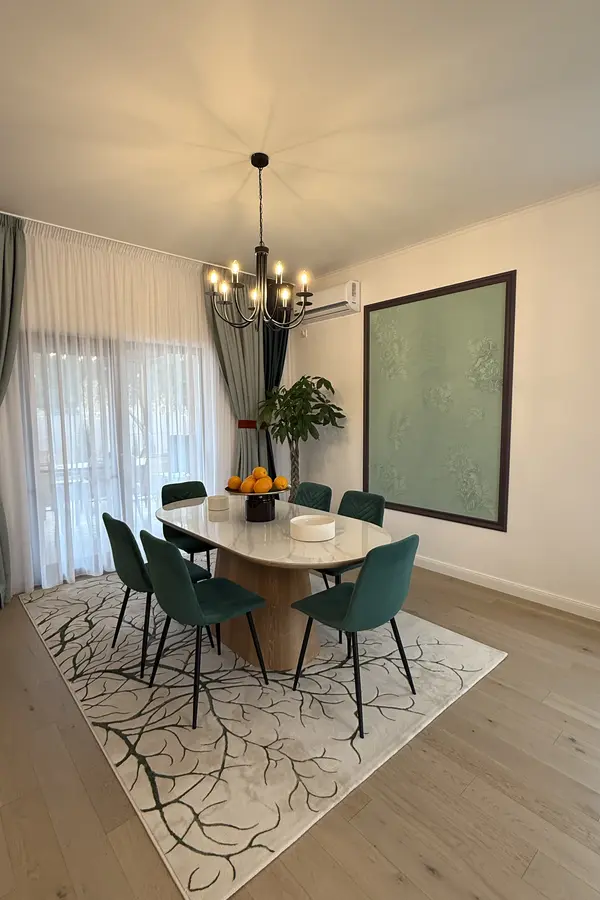 Casa Tunari
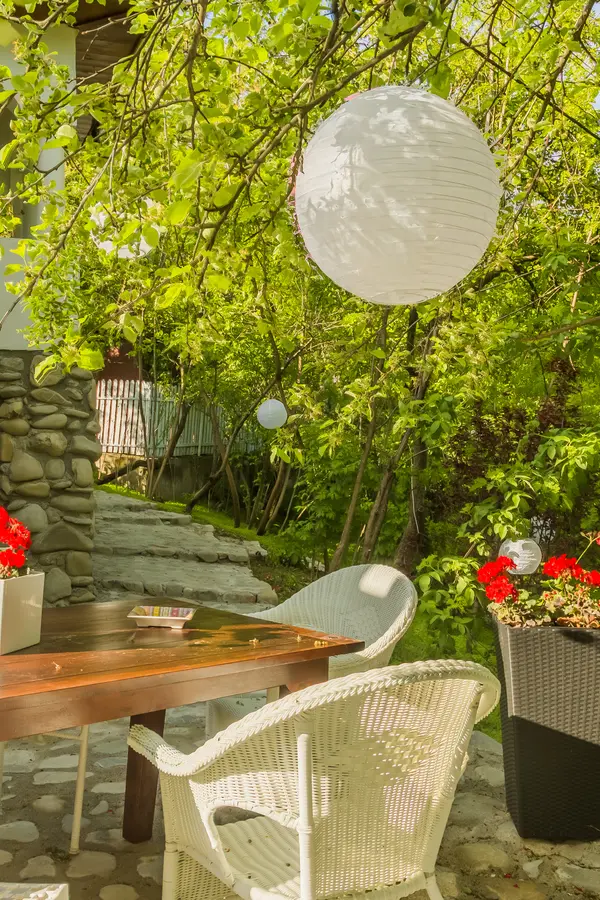 Conacița Provița
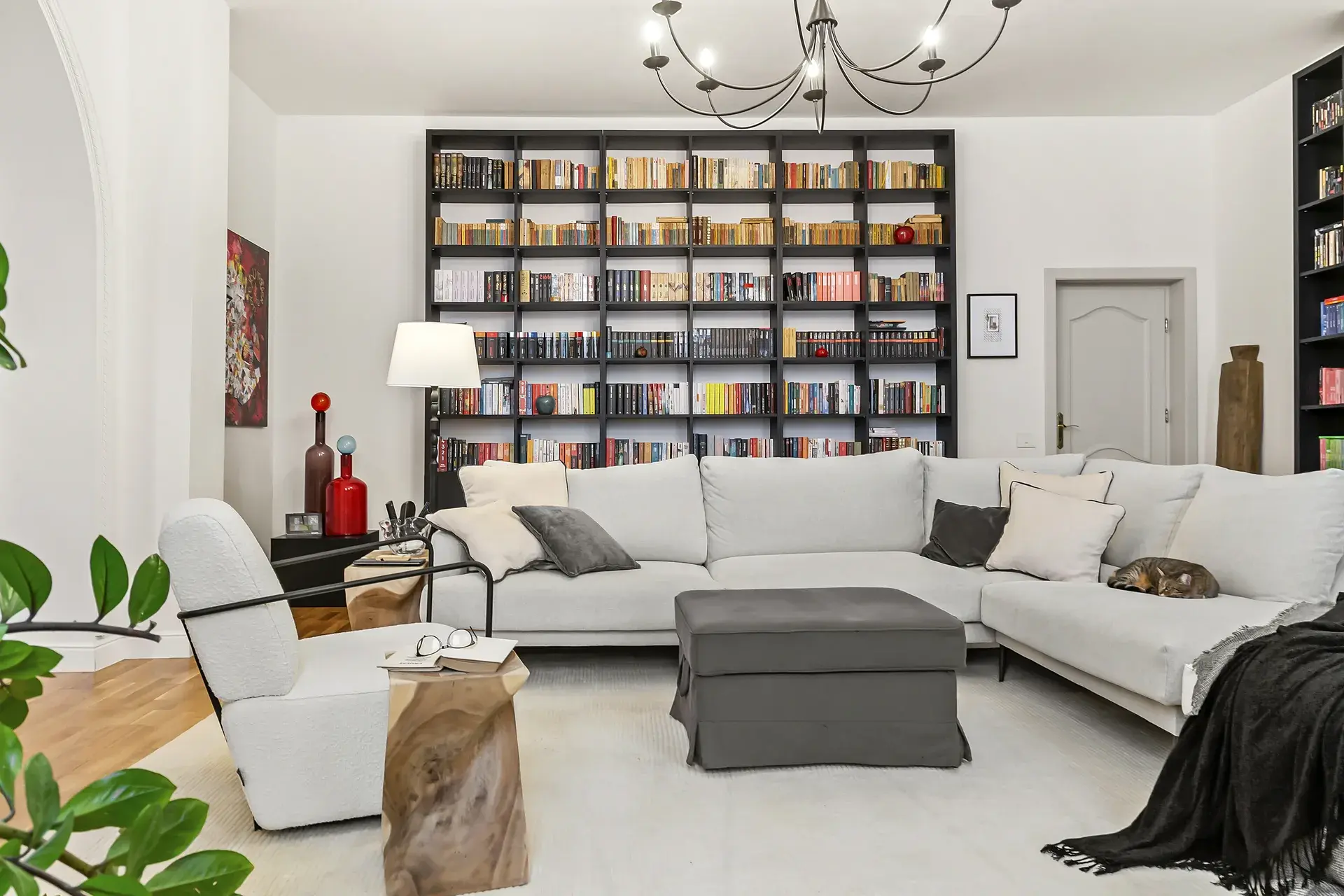 Unirii
Want a Feng Shui analysis for your home?
Online consultation based on photos and the floor plan, or a detailed on-site analysis with the Bagua map.
Book a consultation